Activating Fluxus
news | EVENTS | writings
-

Fluxus Study Day #4. Wiesbaden: A Visual Essay
During the fourth Fluxus Study Day, the Activating Fluxus Team explored Wiesbaden, where the groundbreaking “Fluxus: Internationale Festspiele Neuester Musik” took place fom September 1-23, 1962. This visual essay traces the festival’s impact and examines Fluxus’s legacy that endures throughout the city and its surroundings.
-

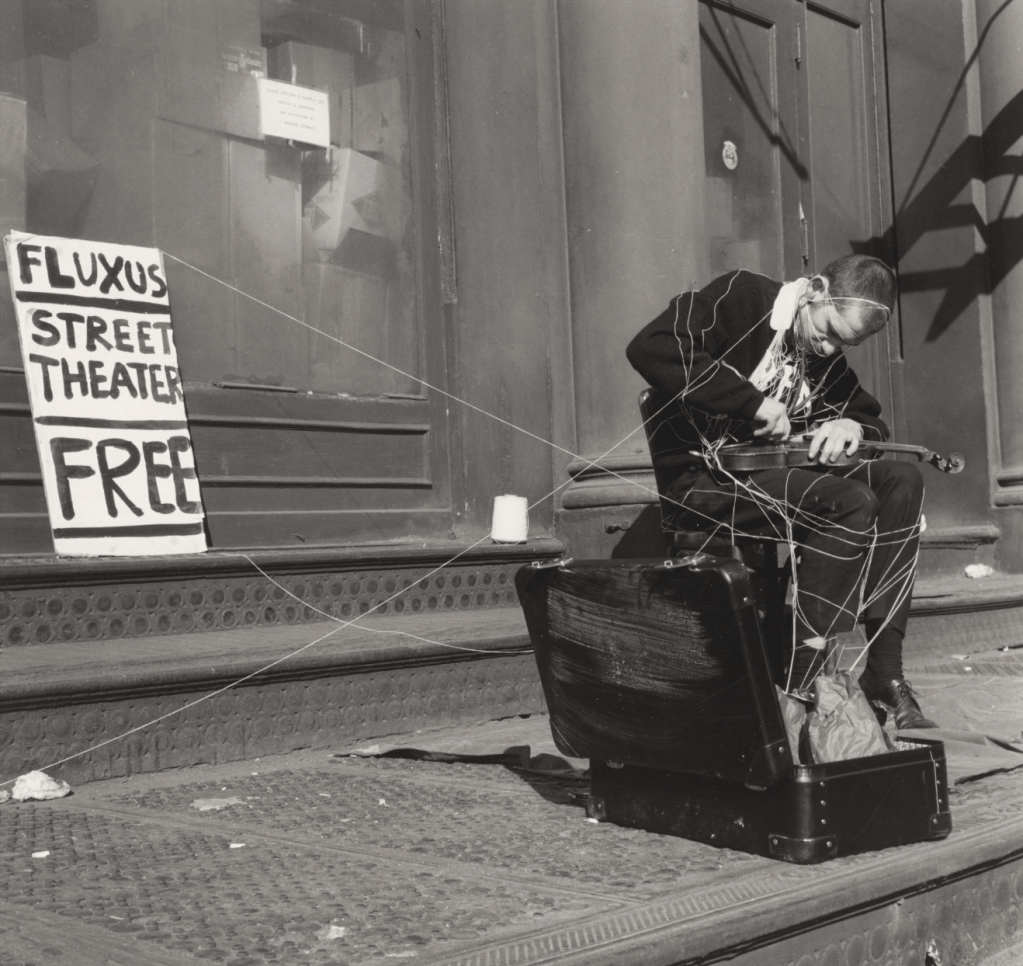
From SoHo to Venice: Emily Harvey and the Two Art Households
Emily Harvey, an influential gallerist, played a vital role in supporting Fluxus artists through her gallery in New York and her foundation’s residency program in Venice, hosting over 500 creative individuals since its inception.
-
Andrej Mirčev: Performance Diagrams / Research Wednesday, October 2, 5:30pm CEST / join us!
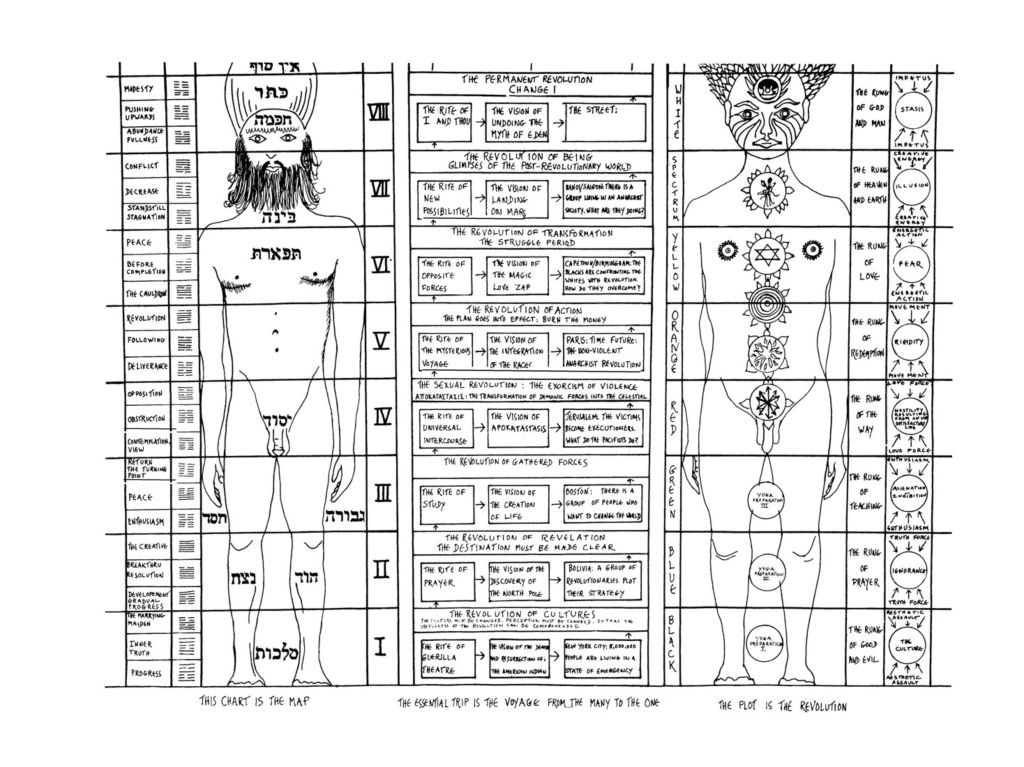
On October 2 at 5:30 PM CEST, Andrej Mirčev, the postdoctoral fellow in our sister project “Performance: Conservation, Materiality, Knowledge,” is giving a lecture titled “Performance Diagrams” that might be of interest to the community of Fluxus fans and scholars. The lecture, which is part of the Research Wednesday series, can be attended in person…
ABOUT OUR PROJECT, IN BRIEF
This research project, which has been funded by the Swiss National Science Foundation at Bern University of the Arts, investigates the objects, events, scores, and ephemera that emerged in the spirit of Fluxus in the 1960s–70s in Switzerland, Europe, the UK, and the USA. Inherently fluctuating by definition, Fluxus rejects any stable, material form. Considering the transitory aspects of Fluxus forms not destined for preservation, and looking through a multidisciplinary lens of conservation, art history, performance studies, heritage studies and museology, our project will advance novel strategies for activating Fluxus through the reconstruction, adaptation and artistic reinterpretation of Fluxus forms.
AIMS AND MEANS
The project has three principal aims : (I) Using examples of collections and individual artworks held in Switzerland and abroad, the project reviews, catalogues, evaluates and systematises the current strategies for exhibiting, conserving and documenting Fluxus. (II) By means of a theoretical investigation of the notions of authenticity, changeability and intentionality and the role they play in the continuing life of Fluxus intermedia, (III) the project advances new strategies for activating Fluxus works through (a) the reconstruction, (b) the adaptation and (c) the artistic reinterpretation of Fluxus forms.

IN DETAIL
Activating Fluxus centers on the lives and afterlives of Fluxus objects, events, and ephemera created in the 1960s–70s in Switzerland, Europe, the UK, and the US. Fluxus transformed creative practice for good, not least by questioning the dominant preconception of the artwork as something that endures unchanged. Inherently fluctuating by definition, the creative outputs of Fluxus reject any stable, material form. While many histories of the post-war avant-garde focus on the implications of nascent conceptualism and performativity for other artistic genres, the proposed project considers the fundamentally transitory aspects of Fluxus forms not destined for preservation. By seeking new ways to engage with the legacy of Fluxus through the lens of conservation, art history, performance studies, heritage studies and museology, this project examines the possibility of activating Fluxus, challenged as it is by its paradoxical coexistence of ephemerality and materiality, with implications for how we conceive of changeable artworks that emerged after the 1960s.
 Activating Fluxus