Category: WRITINGS
-
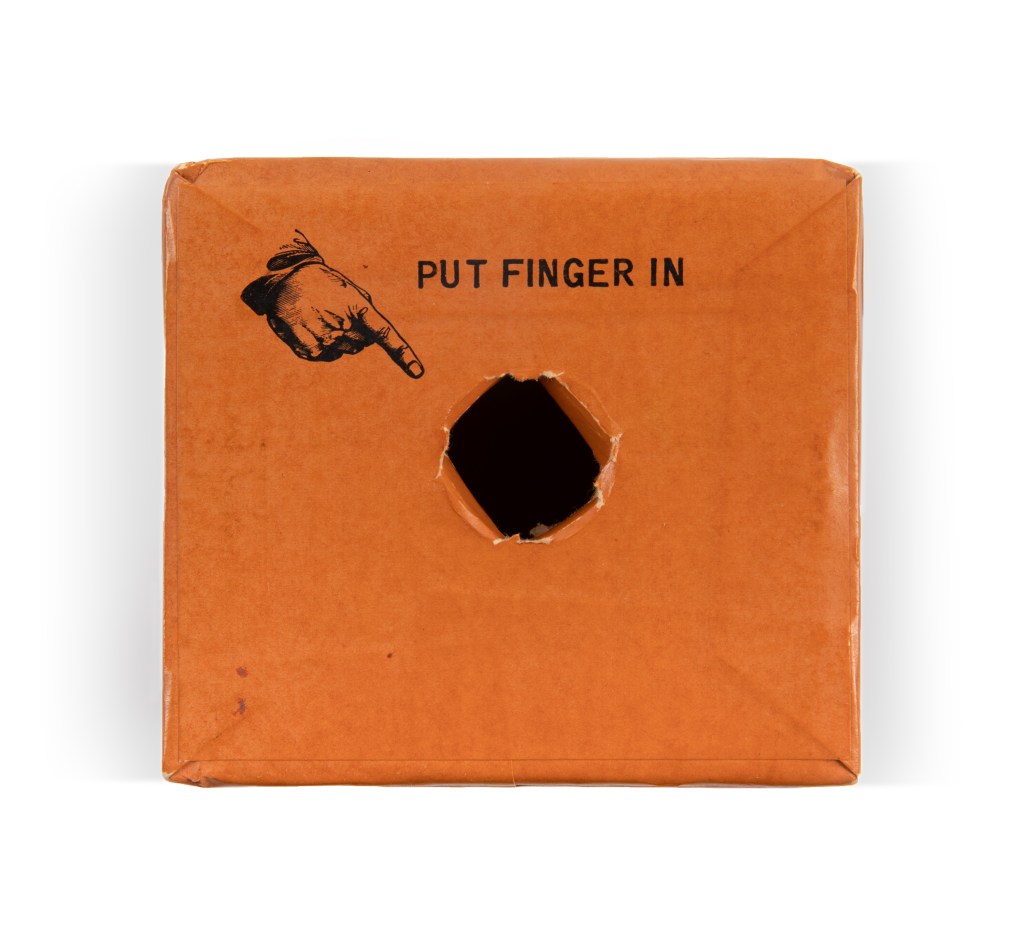
Ay-O’s Tactile Devices: Fluxus Exploration of Touch
Ay-O’s tactile devices challenge museums to balance two competing imperatives: providing access to art designed to be experienced through touch rather than merely viewed, while simultaneously protecting material integrity when necessary. Rather than attempting to resolve this tension, in this post I examine the history and context of these works’ development to better understand the…
-

Fluxus konservieren und aktivieren: Ein Interview mit Lisa Schiller und Josephine Ellis von Nicole Grothe
Last April I spoke with Lisa Schiller and Nicole Grothe, conservator and head of collections respectively at the Museum Ostwall in Dortmund, about some of the challenges Fluxus (and related) artworks pose to conservation practices and the museum more broadly. The interview was published in an edition of the MO_Magazin accompanying the Museum’s opening of…
-

The Matter of Activity: Flux Mystery Food by Ben Vautier
An enigma surrounds Flux Mystery Food, which first appeared as canned food presented by the French artist Ben Vautier at the Fluxus Festival in Nice in 1963. A black-and-white documentary photograph captures Vautier consuming the contents of an unlabelled can— a unique and somewhat forgotten event, allegedly followed by him brushing his teeth [Image 1].…
-
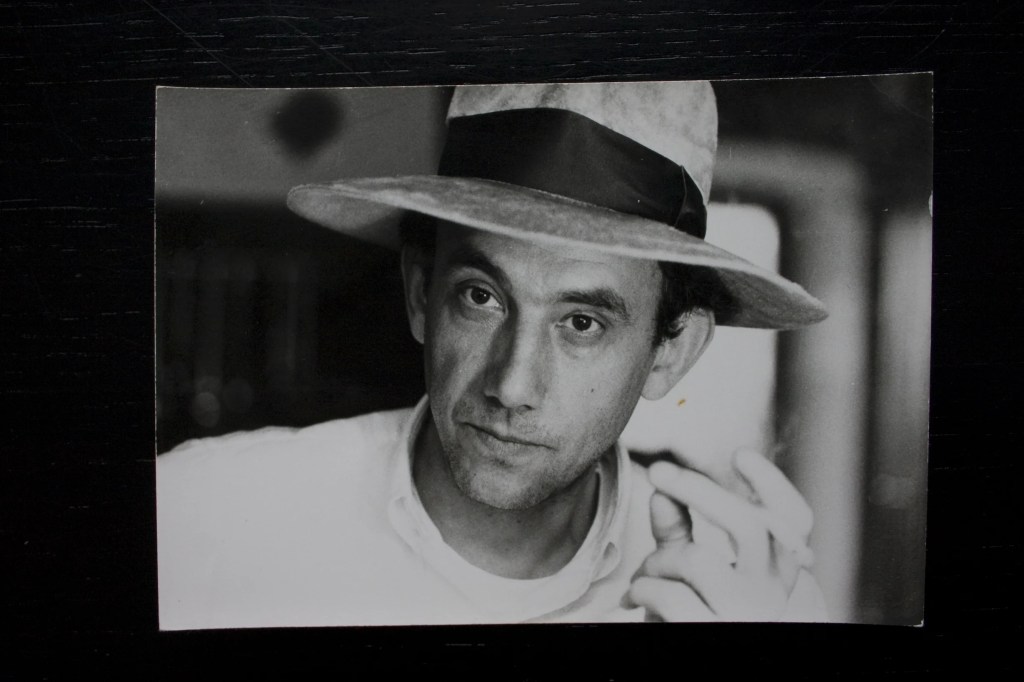
The Multiple as Agential Object: Daniel Spoerri’s Object Complicity
When, in late November 1959, Spoerri established the first of three instalments of the Edition MAT, it was also the first attempt of its kind to build something of a concrete infrastructure around the multiple’s production and dissemination. Taking Spoerri’s logic of the multiple as my point of departure, gleaned from a mixture of Spoerri’s…
-
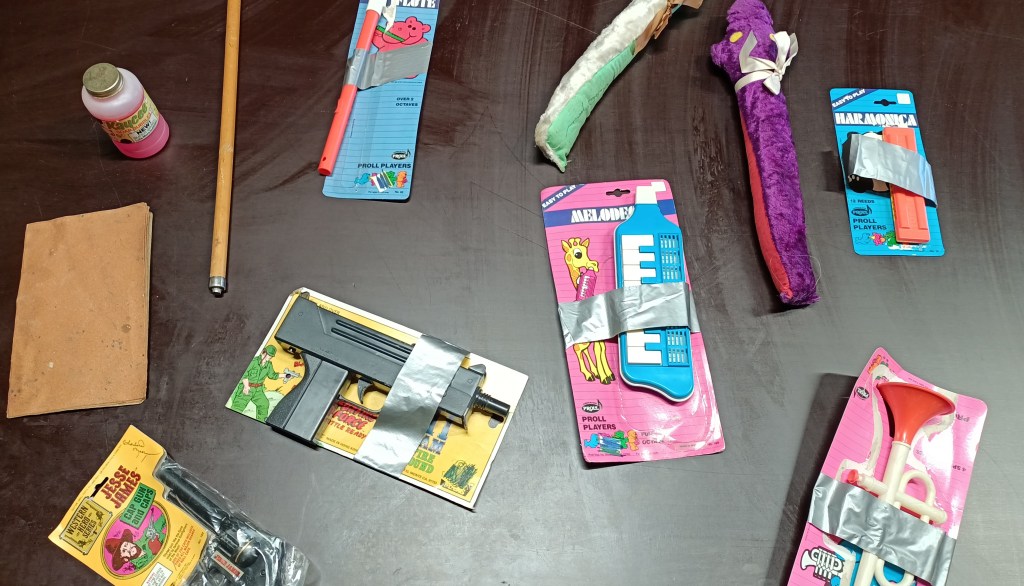
Weronika Trojańska: The Ten Thousand Things of Charlotte Moorman
Weronika Trojańska, PhD candidate at the Eugeniusz Geppert Academy of Art and Design in Wrocław, shares her archival investigations at the Archivio Conz, Berlin. Trojańska takes, as her focus, a mysterious suitcase signed by Charlotte Moorman filled with equally mysterious contents, and attempts to discern what they are—and what they might become.
-

Fluxus Study Day #4. Wiesbaden: A Visual Essay
During the fourth Fluxus Study Day, the Activating Fluxus Team explored Wiesbaden, where the groundbreaking “Fluxus: Internationale Festspiele Neuester Musik” took place fom September 1-23, 1962. This visual essay traces the festival’s impact and examines Fluxus’s legacy that endures throughout the city and its surroundings.
-

From SoHo to Venice: Emily Harvey and the Two Art Households
Emily Harvey, an influential gallerist, played a vital role in supporting Fluxus artists through her gallery in New York and her foundation’s residency program in Venice, hosting over 500 creative individuals since its inception.
-
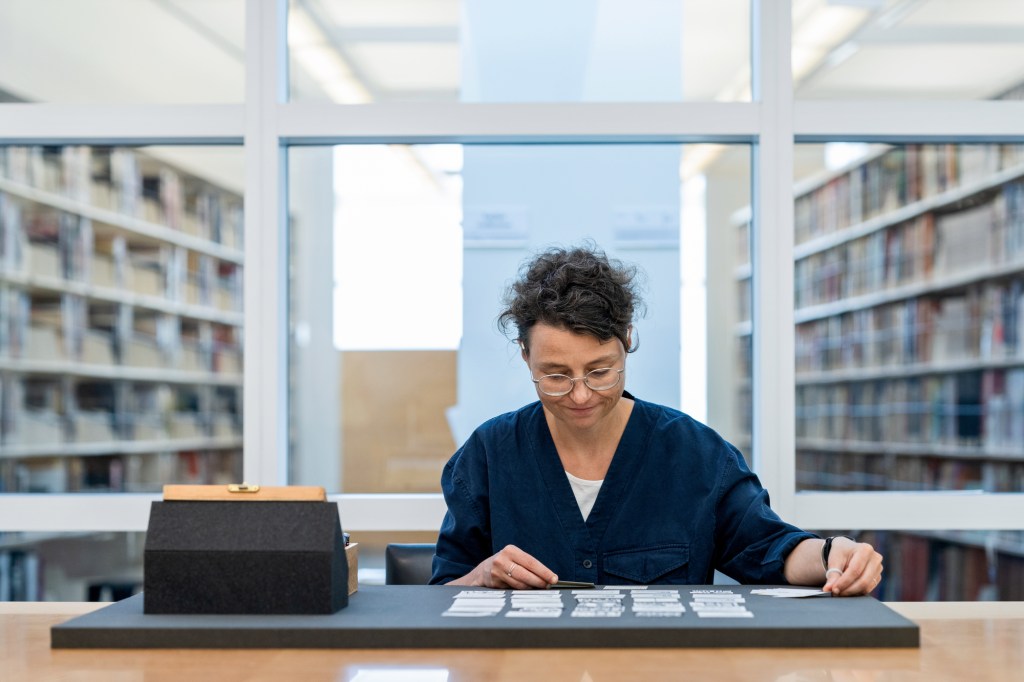
Archival Explorations: Fluxus at the Getty Research Institute’s Special Collections
The Getty Research Institute (GRI) houses an extensive collection of Fluxus materials, offering valuable research opportunities for Fluxus scholars and enthusiasts. This blog post offers observations and guidance on navigating the complexity of GRI collections.
-

Infrastructures of Display: A Model of Schaumagazin for Museum Abteiberg’s Fluxus Collection—A Conversation with Felicia Rappe and Melanie Seidler
This conversation, which took place in person and over email between June 2023 and January 2024, unfolds between representatives of Museum Abteiberg and members of the Activating Fluxus project. By presenting divergent perspectives on the concept of “activation” in the context of museum practices, the dialogue offers an opportunity to deepen the discourse around activation…
-

Sally Kawamura: Opening the network in Mieko Shiomi’s Open Event, 2023
Sally Kawamura, a member of our extended Activating Fluxus team, reflects on Mieko Shiomi’s Open Event in both its historic iteration and more recent focus during the exhibition Out of Bounds: Japanese Women Artists in Fluxus, held at the Japan Society gallery in New York from October 2023 – January 2024 and curated by Midori Yoshimoto…
 Activating Fluxus